

SysGene supports analytical testing and characterization of peptides, recombinant proteins and monoclonal antibodies. We tailor each analytical programme to the molecule, its development stage and the quality attributes relevant to its intended application.

Our approach combines chromatographic and electrophoretic analysis with mass spectrometry and peptide mapping to assess identity, purity and molecular integrity. Binding and activity assays provide insight into biological function, connecting the molecule’s structural characteristics with its performance.

Targeted impurity testing supports the assessment of purification effectiveness, including evaluation of host-cell proteins, residual DNA and endotoxin where relevant to the expression system and process.

Analytical findings inform upstream and downstream optimization, support comparisons between batches and help assess the impact of process changes on product quality. Through documented methods, clear reporting and analytical transfer support, we provide an evidence base for continued development, scale-up and technology transfer.

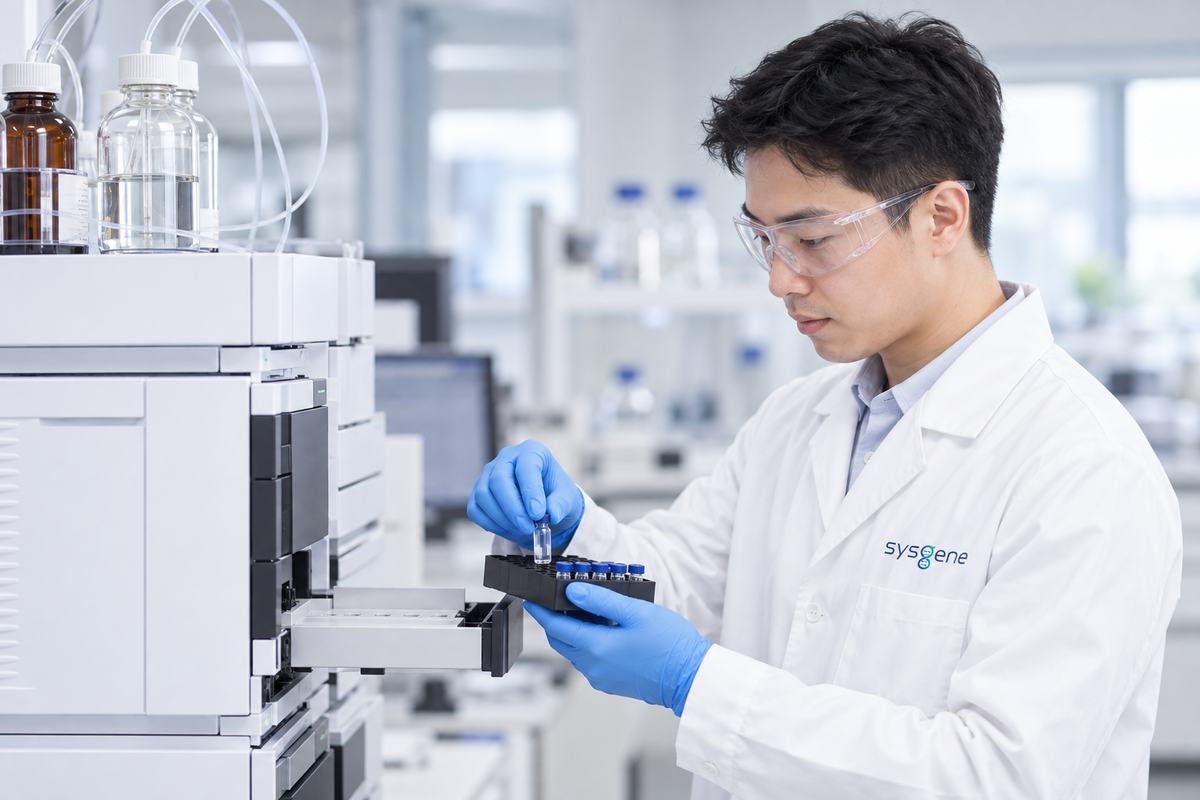
Analyst loading samples onto a chromatography system in a laboratory

Characterization toolkit

Methods by molecule class and structural level

Analytical methods and the parameters they report, across peptides, proteins and monoclonal antibodies.

Fewer than 40 amino acids

Peptides

Illustration of a peptide chain

MW ~0.5–5 kDa

  • Short linear or simple cyclic chains.
  • Lack tertiary folding; highly flexible in solution.

Analytical focus: Molecular weight and LC-MS purity.

More than 40 amino acids

Proteins

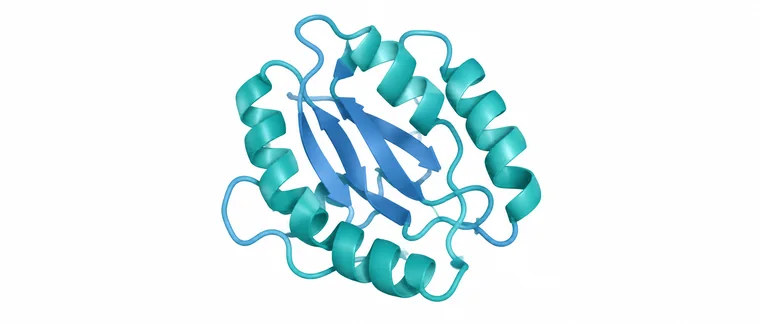
Illustration of a folded protein

MW ~10–100+ kDa

  • Complex folded 3D structures (α-helices, β-sheets).
  • Susceptible to denaturation and aggregation.

Analytical focus: Secondary and tertiary folding, and activity.

Heterotetramer

Monoclonal antibodies

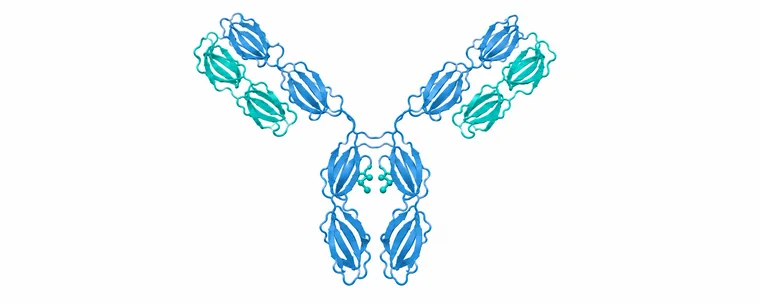
Illustration of a monoclonal antibody

MW ~150 kDa

  • Y-shaped four-chain glycoprotein (two heavy, two light).
  • Complex post-translational modifications (PTMs).

Analytical focus: Glycosylation, charge variants and binding.

The US FDA defines a protein as any alpha amino acid polymer with a specific, defined sequence that is greater than 40 amino acids in size; a polymer of 40 amino acids or fewer is a peptide.

Primary structure and molecular characterization

Molecular mass, sequence, disulfide connectivity, post-translational modifications, identity and purity.

TestMethodParameters
Molecular massLC-MS / MALDI-TOF MSMolecular weight, mass accuracy, mass variants
Amino-acid sequenceLC-MS/MS, MS/MS sequencingSequence coverage, sequence identity
Sequence confirmationPeptide mapping–LC-MS/MSSequence coverage, peptide identity
Amino-acid compositionAmino Acid Analysis (AAA)Amino-acid composition, molar ratio
N-terminal sequenceEdman sequencing / MSN-terminal identity
C-terminal characterizationLC-MS/MS / enzymatic methodsC-terminal identity
Disulfide bond mappingReduced/non-reduced LC-MS/MSDisulfide connectivity, free cysteines
PTM characterizationLC-MS/MSOxidation, deamidation, glycation, clipping
IdentityIntact mass + peptide mappingExpected vs observed mass, sequence match
Purity / related substancesRP-HPLC / UPLC% Purity, impurities, degradation products

Secondary structure characterization

Secondary-structure composition, structural fingerprint, thermal stability and stress-induced change.

TestMethodParameters
Secondary structureCircular Dichroism (CD)α-helix, β-sheet, random coil
Structural fingerprintFTIR spectroscopyAmide I/II bands, secondary-structure profile
Protein conformationRaman spectroscopyStructural/conformational fingerprint
Thermal stabilityDSCTm
Structural changeCD / FTIRChange in secondary structure
Refolding / unfoldingCD / DSCReversibility, unfolding profile
Stress-induced changesCD / FTIR / DSCStructural alteration after stress

Tertiary and higher-order structure characterization

Tertiary conformation, folding, aggregation, fragmentation, oligomeric state and particle size.

TestMethodParameters
Tertiary structureFluorescence spectroscopyIntrinsic fluorescence, conformational changes
Higher-order structureCD / DSCStructural conformation
Protein foldingDSC / spectroscopic methodsTm
AggregationSEC-HPLC / SEC-MALS% Monomer, % HMW, % LMW
FragmentationSEC% Fragments, molecular-size distribution
Oligomeric stateSEC-MALSMolecular mass, oligomeric state
Particle sizeDLSHydrodynamic diameter

Biological characterization: cell-based assays and SPR

Binding affinity and kinetics, potency, receptor activity and Fc-mediated function.

TestMethodParameters
Binding affinitySurface Plasmon Resonance (SPR)KD
Binding kineticsSPRka, kd
Binding specificitySPRSpecific vs non-specific binding
Biological potencyCell-based bioassayEC50 / IC50, relative potency
Functional activityCell-based assayDose-response, activity
Receptor activationCell-based assayEC50, Emax, relative activity
Receptor inhibitionCell-based assayIC50, inhibition %, potency
Cell proliferation / viabilityCell-based assay% Viability, proliferation rate
Cytotoxic activityCell-based assayEC50 / IC50, % cytotoxicity
Mechanism of actionCell-based functional assayTarget-specific response
Fc-mediated functionCell-based assayADCC / CDC activity, relative potency

Strategy

Characterization strategy: peptides vs proteins vs mAbs

How the analytical approach changes with the molecule class.

CharacterizationPeptideProteinmAb
Primary structureLC-MS/MSPeptide mappingPeptide mapping + LC-MS
MassLC-MSLC-MSIntact/subunit LC-MS
Secondary structureCD / FTIRCD / FTIR / DSCCD / DSC
Tertiary structureLimitedFluorescence spectroscopyFluorescence spectroscopy
PurityRP-HPLCRP-HPLC / SECSEC
Size variantsHPLC / MSSECSEC
Charge variantsIEXIEXcIEF
GlycosylationIf applicableIf applicableHILIC / RP-HPLC / LC-MS
AggregationSECSEC / DLSSEC-MALS
BindingIf applicableSPRSPR
Biological activityFunctional assayCell-based assayCell-based potency
Key parametersMass, purity, sequenceStructure, purity, stabilityCQAs, PTMs, potency, binding

Discuss analytical support

Tell us what needs to be confirmed, and at what stage.

Contact SysGene